

Residency 02
Autumn/Winter
Length of stay 2025 8/26~9/24
A new artist-in-residence hub is born in Fujino, a town known for the arts.
Join our Open Studio, where three artists will share the outcomes of their month-long residency.
「芸術のまち」藤野に新たなアーティスト・イン・レジデンスの拠点が誕生。
3人のアーティストによる一月の滞在制作の成果を公開するオープンスタジオを開催。
RESIDENT ARTISTS

Anca Croitoru
アンカ・クロイトール
Spain | Mixed-Media Collage Artist スペイン|ミクストメディア・コラージュ・アーティスト バルセロナを拠点に活動するミクストメディア・コラージュアーティスト/ワークショップ・ファシリテーター。ルーマニア出身。ダダイズムの荒々しく直感的な精神と深く結びつき、不完全さや“ありのまま”を肯定しながら、コラージュを自己発見と感情の探求のためのツールとして用いている。制作プロセスは自発性に根ざし、コントロールを手放して、心のままに手を動かす。素材はすべて拾得物やリサイクル素材のみを使用し、紙の端切れ一つひとつにも新たな役割を与えている。 藤野では、以下の3つのテーマが交差する形で、これまでの制作を継続していく。 1) コラージュによる自己探求 静けさがもつ感情的な重みを探り、周囲の風景が自分の内側の風景とどのように響き合うのかを見つめる。 2) コミュニティの記憶のコラージュ 藤野で暮らす人々と出会い、手書きのメモ、包装紙、チラシなど、“残された紙片”を通してそれぞれの物語の断片を集める。それらを個人制作または共同制作のコラージュへと変換し、素材を介して記憶と感情を保存する試み。 3) アップサイクル・コラージュ・ワークショップ 地域の人々が紙ごみを持ち寄り、それをアートへと変える方法を学ぶ公開ワークショップ。目的は見た目の美しさだけではなく、「廃棄物」から「意味」へと捉え方を転換すること。 Mixed-media collage artist and workshop facilitator based in Barcelona, originally from Romania. Deeply connected to the raw, intuitive spirit of Dadaism, Anca embraces imperfection and authenticity, using collage as a tool for self-discovery and emotional exploration. Her creative process is rooted in spontaneity, letting go of control and creating straight from the heart. She works exclusively with found and recycled materials, giving purpose to all paper scraps. In Fujino, Anca will continue with her body of work with three interwoven themes: 1. Self-exploration through collage: To explore the emotional weight of stillness, and how the surrounding landscape echoes my internal one. 2. Community memory collage Meeting people living in Fujino in order to collect fragments of their stories through saved paper items: handwritten notes, packaging, flyers. These would become individual or collaborative collages, a way to preserve memory and emotion through material. 3. Upcycled collage workshop A public workshop where locals bring their paper waste and learn how to transform it into art. The goal is not just aesthetic but about shifting perception: from waste to meaning.

Chiharu Mizukawa
水川 千春
Japan | Visual Artist 日本|ヴィジュアル・アーティスト 1981年大阪生まれ。2006年よりアートプロジェクトを中心に日本各地で制作を続ける。廃材や生活用水、海水などを用いて作品を制作。国内外で数多くのレジデンス、展示に参加。代表的な作品は、風呂の残り湯、温泉、雨、川、海の水などを使って描き、火に触れることで、水の中のものが焦げ出て絵が浮かび上がる、独自の「あぶりだし」技法で制作されている。これは、かつて日本文化の子供の遊びだったものを、日本現代画の画法へと昇華させたものである。 今回の滞在制作について これまで20年ほど、廃墟や、閉鎖した工場、戦後の市場など、いろんな場所で滞在制作をして、その土地で採取した水を素材に使い、「あぶりだし」技法で描いてきました。今は、お隣の山梨県に住んでいて、藤野には5年間ほど馴染みがあるのですが、この地での滞在制作ははじめてです。今回は、藤野に流れる、秋山川、相模川、相模湖、そこから行き着く海まで、この場につながる水を素材に使い、この地とあらためて繋がりながら、あぶり絵を制作したいと思います。 Born in Osaka in 1981. Since 2006, they have been creating works across Japan, primarily through art projects. Their practice uses discarded materials and various kinds of water—everyday household water, seawater, and more. They have participated in numerous residencies and exhibitions both in Japan and internationally. A signature body of work is produced using a unique “aburidashi” (revealing-through-heat) technique. The artist paints with water sources such as bathwater, hot spring water, rain, river water, and seawater; when the surface is exposed to heat, substances contained in the water scorch and a hidden image gradually emerges. This method elevates aburidashi—once a children’s pastime in Japanese culture—into a distinctive contemporary painting practice. About this residency project For nearly two decades, I have undertaken residencies in a wide range of sites—ruins, decommissioned factories, postwar markets, and more—collecting local water and using it as material to create aburidashi works. I now live in neighboring Yamanashi Prefecture and have been familiar with Fujino for about five years, but this will be my first residency-based production in this area. During this stay, I plan to create aburidashi paintings using waters connected to Fujino: the Akiyama River, the Sagami River, Lake Sagami, and the sea they ultimately flow into. By working with these waters, I hope to reconnect with this place in a renewed way and let that relationship surface through the paintings.
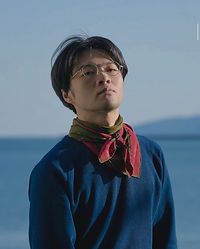
Takuya Watanabe
渡邊拓也
Japan | Video Installation Visual Artist 日本|映像インスタレーションヴィジュアル・アーティスト 渡邊拓也は、 主に映像インスタレーションを手がける ヴィジュアル・アーティストである。移動や労働、人と環境のあいだにある複雑な関係性を主題とし、コミュニティとの関わりや社会状況に対する綿密なリサーチを行う。個人の境遇や身体性、またはそれらを含む風景に埋め込まれた不可視の構造をひもときながら、権力と脆弱性の相互作用を描き出している。リサーチに基づく実践の中核として、これまで複数の国際的なアーティスト・イン・レジデンスに参加。主な滞在歴に、Delfina Foundation(ロンドン、2024年)、SAM Residencies(シンガポール、2023年)、 WIELS Residency Programme(ブリュッセル、2022年)、ARCUS Project 2019 IBARAKI(茨城)などがある。近年の主な展覧会に、《クリテリオム101 渡邊拓也》(水戸芸術館現代美術センター、茨城、2024年)、および《As Above, So Below》TOKAS Creator-in-Residence成果発表(TOKAS本郷、東京、2023年)などがある。 令和7年度文化庁新進芸術家海外研修制度に採択され、2025年から二年間、ロンドンを拠点に活動予定。 Japanese visual artist whose practice centers on video installation. His work explores themes of migration, labor, and the complex entanglements between people and their environments. Drawing from close engagement with local communities and in-depth research into social conditions, Watanabe examines personal narratives, embodied experiences, and the hidden structures embedded in landscapes. Through this approach, he reveals the interplay between power and vulnerability. Watanabe’s research-driven practice is shaped by his participation in several international residency programs. These include the Delfina Foundation (London, 2024), SAM Residencies (Singapore, 2023), WIELS Residency Programme (Brussels, 2022), and ARCUS Project 2019 IBARAKI Artist-in-Residence Program (Ibaraki, Japan). Recent exhibitions include CRITERIUM 101: Takuya Watanabe (Contemporary Art Center, Art Tower Mito, Ibaraki, 2024) and As Above, So Below, TOKAS Creator-in-Residence Exhibition (TOKAS Hongo, Tokyo, 2023). He has been selected for the 2025–2027 overseas study program for emerging artists, supported by the Agency for Cultural Affairs of Japan, and will be based in London for two years.
About the Project
Anca Croitoru
アンカ・クロイトール
Spain | Mixed-Media Collage Artist
スペイン|ミクストメディア・コラージュ・アーティスト


藤野での滞在制作では、周囲の藤野の風景が自らの内面の風景とどのように共鳴するかを探り新たなコラージュ作品の制作に取り組みます。
また、地域に住む人々と出会い、手書きのメモ、パッケージ、チラシなど、様々な理由から保管された紙製品等を通して、地域の人々の物語の断片の収集を試みます。それらは個人的または共同的なコラージュ作品となり、身の回りの紙素材を通して記憶と感情を保存する創造的な方法として提示されることになります。
滞在中には、アップサイクル・コラージュ・ワークショップも予定され、滞在最終週のオープンスタジオでは、藤野での創作活動の成果を発表する展示を行います。
関連イベント:
9月7日 (日)アップサイクル・コラージュ・ワークショップ
9月20日(土)・21日(日)オープンスタジオ/参加型作品コラージュキャンバスを実施予定
During her residency in Fujino, she will explore how the surrounding landscape resonates with her inner landscape, creating new collage works in response.
She will also meet local residents and attempt to collect fragments of their stories through paper items kept for various reasons—handwritten notes, packaging, flyers, and other paper ephemera. These materials will become individual or collaborative collages, presented as a creative way of preserving memory and emotion through everyday paper.
An Upcycled Collage Workshop is planned during the residency, and in the final week, an Open Studio will be held featuring an exhibition of the outcomes of her creative work in Fujino.
Related Events:
Sun, September 7 — Upcycled Collage Workshop
Sat–Sun, September 20–21 — Open Studio
(A participatory collage-canvas piece is also planned.)
Chiharu Mizukawa
水川 千春
Japan | Visual Artist
日本|ヴィジュアル・アーティスト


これまで20年ほど、廃墟や、閉鎖した工場、戦後の市場など、いろんな場所で滞在制作をして、その土地で採取した水を素材に使い、「あぶりだし」技法で描いてきました。今は、お隣の山梨県に住んでいて、藤野には5年間ほど馴染みがあるのですが、この地での滞在制作ははじめてです。今回は、藤野に流れる、秋山川、相模川、相模湖、そこから行き着く海まで、この場につながる水を素材に使い、この地とあらためて繋がりながら、あぶり絵を制作したいと思います。
関連イベント:
9月20日(土)・21日(日)オープンスタジオ
20日(土)16時〜あぶり絵ライブパーフォマンス
For nearly two decades, I have undertaken residency-based projects in a wide range of places—ruins, decommissioned factories, postwar markets, and more—using water collected on site as material, and painting through my “aburidashi” (revealing-through-heat) technique. I now live in neighboring Yamanashi Prefecture and have been familiar with Fujino for about five years, but this will be my first time creating work through a residency in this area. During this stay, I plan to make aburidashi paintings using waters connected to Fujino—the Akiyama River, the Sagami River, Lake Sagami, and the sea they ultimately flow into. By working with these waters, I hope to reconnect with this place anew and translate that relationship into aburidashi works.
Related Events
Open Studio:
Sat–Sun, September 20–21
Sat, September 20, from 16:00 — Aburidashi live performance
Takuya Watanabe
渡邊拓也
Japan | Video Installation Visual Artist
日本|映像インスタレーションヴィジュアル・アーティスト


本プロジェクトは、「自然」という概念が持つ政治性を明らかにすることを目的とする。自然は中立的で普遍的な存在として語られがちだが、その意味や価値は歴史的・文化的背景の中で形成され、しばしば政治的意図を帯びて利用されてきた。 国内でも、オーガニックや環境保全といった開放的でエコロジー指向の言葉が、国粋主義的な言説と結びつく状況が記憶に新しい。「自然を守る」という提言は、何を守り、何を排除するのかを曖昧にしたまま、特定の価値体系を正当化する力を併せ持つ。その典型例が、ナチス政権下の自然保護政策である。1930年代のドイツでは「血と土(Blut und Boden)」思想のもと、景観保護や有機農業が推進されたが、その内実は民族的純化と国土防衛のイデオロギーと結びついていた。これは「自然」という概念が“善意”や“普遍性”を装いながら排除の論理に転化し得ることを示す事例であり、環境やエコロジーの言説が排外的秩序の装置となる危うさを物語っている。 こうした概念的な枠組みをより現実的な水準で捉えるために、本プロジェクトでは藤野の里山環境の取り組みと パーマカルチャーの実践の場をフィールドとする。藤野は、都市近郊でありながら多様な生態系と自給的コミュニティが共存する地域であり、同時に人の手による管理や選択が日常的に行われる場であるとされる。そして、パーマカルチャーセンタージャパンの拠点であり、日本国内のパーマカルチャー運動の中心地である。 そこで行われる実践者の判断や経験は、どのような法制度・経済的要請・共同体的規範・個人的信条と関係し合いながらなされるのか。言い換えるなら、身体的なものが不可視の概念的な諸条件と分かちがたく存在するのか。そして、人間の行動のみならず「景観」という水準化から見つめた際に、どのような人間ならなざるものとの関係からその諸条件が決定されるのかというより複雑なものも視野に入れたい。 主に実践者へのインタビューや見学、また可能であれば撮影や共同の可能性を模索したい。 こうした実践の場に身を置きながら、自然と人間が出会う場における多層的な「自然」像を可視化することを試みる。
関連イベント:
9月20日(土)・21日(日) オープンスタジオ
関連作品のスクリーニング、アーティストトーク(両日15時〜)
This project aims to reveal the political nature embedded in the concept of “nature.” Nature is often spoken of as something neutral and universal; yet its meanings and values are formed within specific historical and cultural contexts, and have repeatedly been mobilized for political purposes. In Japan as well, it is a recent and familiar phenomenon that open, ecology-oriented terms such as “organic” or “environmental conservation” become intertwined with nationalist rhetoric. Calls to “protect nature” can carry the power to legitimize particular value systems while leaving ambiguous what is being protected—and what is being excluded. A paradigmatic example is the nature-conservation policy under the Nazi regime. In 1930s Germany, landscape preservation and organic agriculture were promoted under the ideology of “Blood and Soil” (Blut und Boden), yet these initiatives were closely tied to notions of ethnic “purification” and territorial defense. This case demonstrates how the concept of “nature” can disguise itself as benevolence or universality while turning into a logic of exclusion—and it points to the risk that environmental and ecological discourse can become an apparatus for xenophobic order. To examine this conceptual framework at a more grounded and concrete level, the project takes as its field the satoyama initiatives in Fujino and sites of permaculture practice. Fujino is a peri-urban area where diverse ecosystems coexist with self-sustaining communities, while human management and selection are performed on an everyday basis. It is also home to Permaculture Center Japan and functions as a key hub for the permaculture movement in Japan. How are practitioners’ decisions and experiences shaped through their relationships with legal systems, economic demands, communal norms, and personal convictions? Put differently: how are embodied practices inseparable from invisible conceptual conditions? Furthermore, by approaching these questions through the lens of “landscape,” the project also seeks to consider more complex determinations—how such conditions are shaped through relations not only among humans, but also with non-human entities. The project will primarily involve interviews with practitioners and site visits, and, if possible, will explore filming as well as potential forms of collaboration. By situating itself within these practices, it attempts to visualize a multilayered set of “natures” that emerge in sites where nature and humans encounter one another.
Related Events
Open Studio:
Sat–Sun, September 20–21
Screening of related works Artist Talk: both days from 15:00